How to Detect a Toilet Leak in Cheltenham, PA
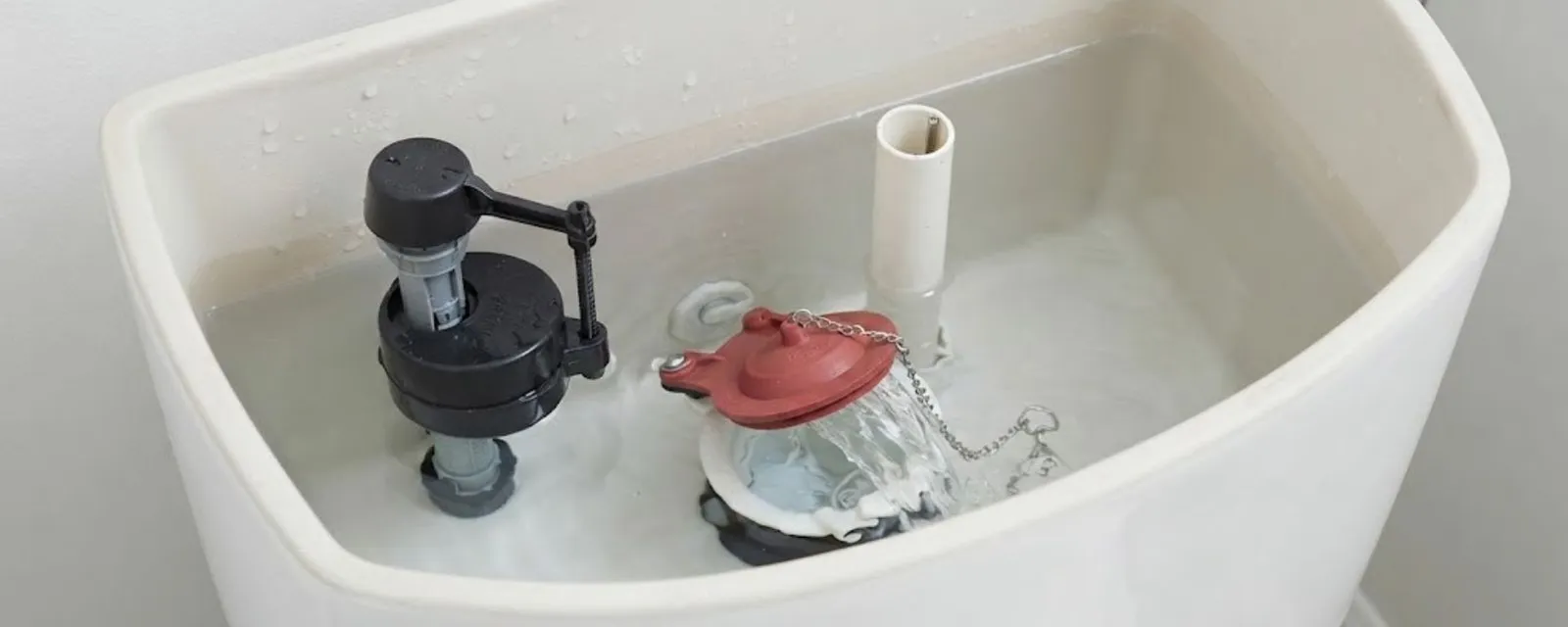
To detect a toilet leak, put a few drops of food coloring or a dye tablet in the tank, wait 15 minutes without flushing, and look in the bowl. Color in the bowl means the flapper is leaking. To catch a bigger leak, turn off every water use in the house and watch the meter for movement.
A silent toilet leak can waste a lot of water and you may never hear it. These two tests take under half an hour, need no special tools and tell you whether the leak is inside the toilet or somewhere else in the house.
The dye test for a leaking flapper
- Do not flush for at least an hour so the tank is full and still.
- Lift the tank lid and add about ten drops of dark food coloring or a dye tablet.
- Wait 15 minutes without flushing and without using the toilet.
- Look in the bowl. If colored water appears, the flapper is leaking into the bowl.
- Flush to clear the dye, and wipe up spilled coloring to avoid staining.
- If the bowl stays clear, the flapper is probably sealing, and the leak is elsewhere.
Dark food coloring and tank dye tablets work equally well. Pick a color that shows against white porcelain, like blue or red. A longer wait of 30 minutes catches slow leaks that a shorter test misses.
The water meter test for any leak
- Make sure no one is running water, no dishwasher or washing machine is active, and the icemaker is off.
- Find the water meter and read it, noting the numbers or the small leak indicator.
- Wait 30 minutes to an hour without using water.
- Read the meter again. If the number moved or the leak indicator is spinning, water is escaping somewhere.
- Close the shutoff valve behind the toilet and wait again. If the meter stops, the toilet is the source.
The meter test finds leaks the dye test cannot, including a fill valve that lets water run into the overflow tube and slow leaks in supply lines. If closing the toilet valve does not stop the meter, the leak is somewhere else in the house.
Federal standards cap new toilets at 1.6 gallons per flush, so a toilet that refills often after a flush is wasting far more than its rating. A dye test takes ten minutes and tells you whether the flapper or the fill valve is the culprit.
Need a plumber now? Dispatch is open 24/7.
Call the line and describe what is happening. A live person answers around the clock.
Match what you see to the cause
| What you notice | Probable cause | What to do |
|---|---|---|
| Dye appears in the bowl | Worn or warped flapper | Replace the flapper |
| Water trickles into the overflow tube | Fill valve set too high or failing | Lower the float or replace the fill valve |
| Toilet runs on and off by itself | Flapper leak, known as phantom flushing | Replace flapper, check chain length |
| Hissing after the tank fills | Failing fill valve | Replace the fill valve |
| Water at the base | Failed wax ring or loose bolts | Check the base seal, call a plumber |
| Meter moves, toilet valve closed | Leak elsewhere | Call for leak detection |
A flapper and a fill valve are inexpensive parts that most homeowners can swap in a few minutes. If you are not sure which part has failed, start with the flapper, since it fails most often.
Easy fixes before you call anyone
- Check that the flapper chain has a little slack, about one link, so it does not hold the flapper open.
- Clean the flapper seat with a cloth to remove mineral scale.
- Adjust the float so the water level sits about an inch below the top of the overflow tube.
- Replace a flapper that feels soft, warped or sticky to the touch.
- Tighten the tank-to-bowl bolts evenly if water leaks between them.
- Replace the whole fill valve if the old one hisses or does not shut off.
Our toilet repair team handles these parts, and if the meter test says the leak is somewhere other than the toilet, leak detection finds it without opening walls first.
What a leak costs you
- How big the leak isA thin flapper leak wastes less than a fill valve that runs constantly.
- How long it runsA leak that goes unnoticed for months adds up on the bill.
- Number of toiletsEach toilet in the house can fail on its own schedule.
- Repair neededA flapper kit is cheap, while a cracked tank or a failed supply line costs more.
- Hidden damageA leak that reaches a ceiling or a subfloor adds repair on top of the plumbing.
A clear price is given before work starts. Call (215) 714-6692 and tell us what your tests showed. A running toilet is usually a maintenance issue, but a sudden supply line failure that floods a room is the kind of event homeowner policies often cover.
When the leak is not the toilet
If the meter moves with the toilet valve closed, the leak is in a pipe, a fixture, a water heater or a buried line. Slab leaks, leaks inside walls and leaks in the service line run silent. Water finding its way to a basement wall or a wet patch in the yard is a hint.
Do not tear into a wall on a guess. A plumber can pressure-test lines, listen for the leak and narrow the location before any cutting starts. That saves repair cost on drywall and tile.
Cheltenham local note: Aqua, your meter and your bill
Aqua Pennsylvania supplies water in Cheltenham, and a silent toilet leak shows up in your water usage and the bill, which makes the monthly total the first place to look. Compare a recent bill with the same month last year, and ask Aqua about the meter reading for your address.
If a leak turns out to be in a service line or a lead pipe, Aqua also offers a lead service line map at aquawater.com/leadmap that you can check for your address. Plumbing and drainage work in Cheltenham Township is covered by Chapter 209, which requires licensed plumbers, and you can call the township at 215-887-1000 to ask whether a plumber is registered.
Much of the housing here has stayed largely unchanged since the early twentieth century, so original supply lines and shutoff valves are common. Owners in Elkins Park and Glenside should test their shutoff valves while they run the meter test.
Frequently asked questions
Fifteen minutes is the minimum. Thirty minutes catches slow leaks.
A constant fill valve or a worn flapper can waste a large volume of water over a month. The dye and meter tests show how bad it is.
Shared or master meters complicate the test. Check with your landlord or building manager, or call us to find the leak a different way.
Every few years is typical, sooner in homes with heavy mineral buildup. Replace it at the first sign of dye in the bowl.
The leak is somewhere else. A plumber can use leak detection to find it without guessing.
Not for a simple flapper or fill valve swap in most cases. Permit rules vary, so ask the Cheltenham Township building department at 215-887-1000 or Abington Township at 267-536-1000.
Dispatch is open 24/7 at (215) 714-6692. Close the main shutoff if water is running and call us.
Plumbing emergency in Cheltenham?
Call (215) 714-6692 now. A live dispatcher answers 24 hours a day.